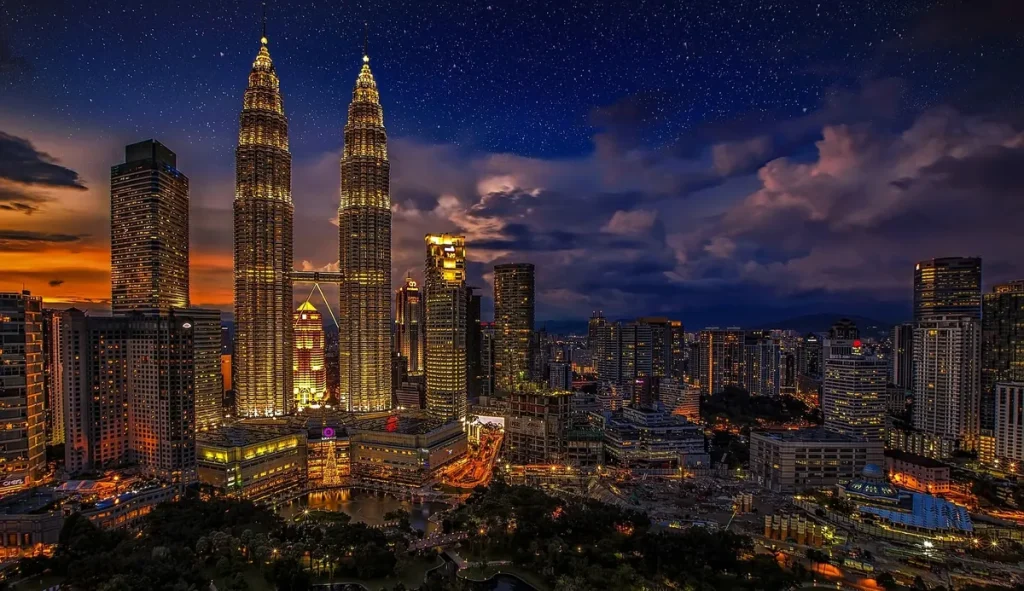
Choose your area · Central Kuala Lumpur
Start with the places you use every week. KLCC makes sense around Suria and the park, Bukit Bintang around its shopping and dining streets, and TRX around its offices, mall and two MRT lines.
There isn’t one winner for everyone. This guide helps you pick an area to explore before you spend weekends viewing condos that don’t fit your life.
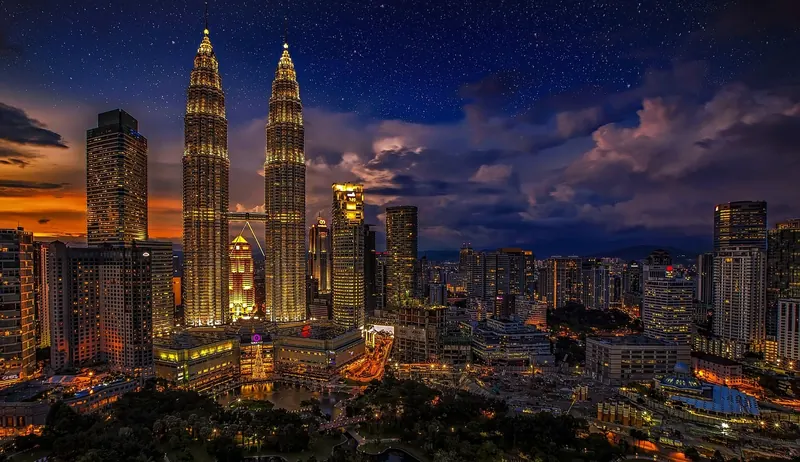
Where should you start looking?
| Area | Start here if your week revolves around… |
|---|---|
| KLCC | Suria KLCC, the park and nearby offices |
| Bukit Bintang | Pavilion, Lot 10, Fahrenheit88 and evenings out |
| TRX | The financial district and either MRT line |
KLCC: choose the side you’ll actually use
Suria KLCC and KLCC Park are useful anchors, but “KLCC” in a listing isn’t a walking distance. A home that suits someone working beside the convention centre may not suit someone travelling from Jalan Binjai each morning.
Save your office entrance and favourite everyday destination on the map before searching nearby buildings. Start with our living in KLCC guide once you’ve narrowed the location.
Bukit Bintang: would you use the lifestyle?
Pavilion, Lot 10 and Fahrenheit88 give you clear landmarks for shopping and meals. If meeting friends or going out after work is a regular part of your week, that setting may matter more to you than being beside an office district.
But visiting on Saturdays and wanting to live there are different things. Pick the street you like, then assess the particular home. Our Bukit Bintang lifestyle guide goes into the local detail.
TRX: useful when its destinations match yours
The Exchange TRX, City Park and the district’s offices give you several reasons to be here. The MRT interchange adds flexibility if your household uses both the Kajang and Putrajaya lines.
That doesn’t automatically make every “near TRX” apartment convenient. Separate homes within the precinct from listings on surrounding streets. The TRX neighbourhood guide explains the residential names, groceries and park facilities.
Two KLCC stations, two different journeys
Suria KLCC connection
Jalan Binjai address
They aren’t two names for the same station. If you need the Putrajaya Line, compare access to Persiaran KLCC and TRX. If you need the Kajang Line, both Bukit Bintang and TRX belong in your search.
For example, a household using two different MRT lines has a reason to consider TRX. Someone whose daily destination is beside KLCC LRT may prefer that connection instead. These are starting points for route planning, not promises of the fastest journey from every condo.
Once you have a building in mind, use our Central KL walking guide for the route between the lobby and station.
Where do BBCC and Merdeka 118 fit?
BBCC isn’t another name for the Pavilion end of Bukit Bintang. Its LaLaport landmark is on Jalan Hang Tuah. Add the BBCC area if that destination and Hang Tuah suit your week.
The Merdeka 118 neighbourhood is another option around the heritage stadiums and Merdeka MRT. Compare its current services separately from future openings. You don’t need to force every city centre search into just three area names.
Turn the area choice into two actual homes
Write down your office, your most frequent trip outside work and your monthly housing limit. Pick two areas that fit those three things, then find a comparable home in each. Keep bedroom count, usable space and furnishing needs similar.
Compare the total monthly outlay, not just the advertised figure. For renters, that means rent plus any separate parking, internet and utilities. Buyers need to include building charges and a repair allowance alongside their loan payment.
Once the area works, bring the Central KL condo viewing checklist. This guide gets you to a sensible shortlist; that one helps you decide whether the actual home deserves a place on it.