KLCC · Living here
KLCC can be a lovely place to live if you actually use what’s nearby. Groceries at Suria, a walk in the park and a train to work can all fit into an ordinary day. But a condo with “KLCC” in its address doesn’t automatically give you that routine.
Yes, you can do a normal grocery shop
Suria KLCC isn’t just somewhere to browse designer shops. Isetan’s Foodmarket is on the concourse floor, with vegetables, meat, seafood, groceries and a bakery. Isetan currently lists daily hours of 10am to 10pm.
That works for an after work shop. It won’t solve your breakfast shopping before an early shift. If you cook most nights, walk through with your actual shopping list: rice, eggs, vegetables, whatever you buy regularly. You’ll learn more from that basket than from the number of restaurants around your building.
There’s also a difference between picking up two ingredients and carrying a week’s shopping home. A route you enjoy empty handed may be awkward with heavy bags. Decide whether your routine would be small shops on foot, a larger delivery or a weekly car trip.
The park is a real benefit, if you’ll use it
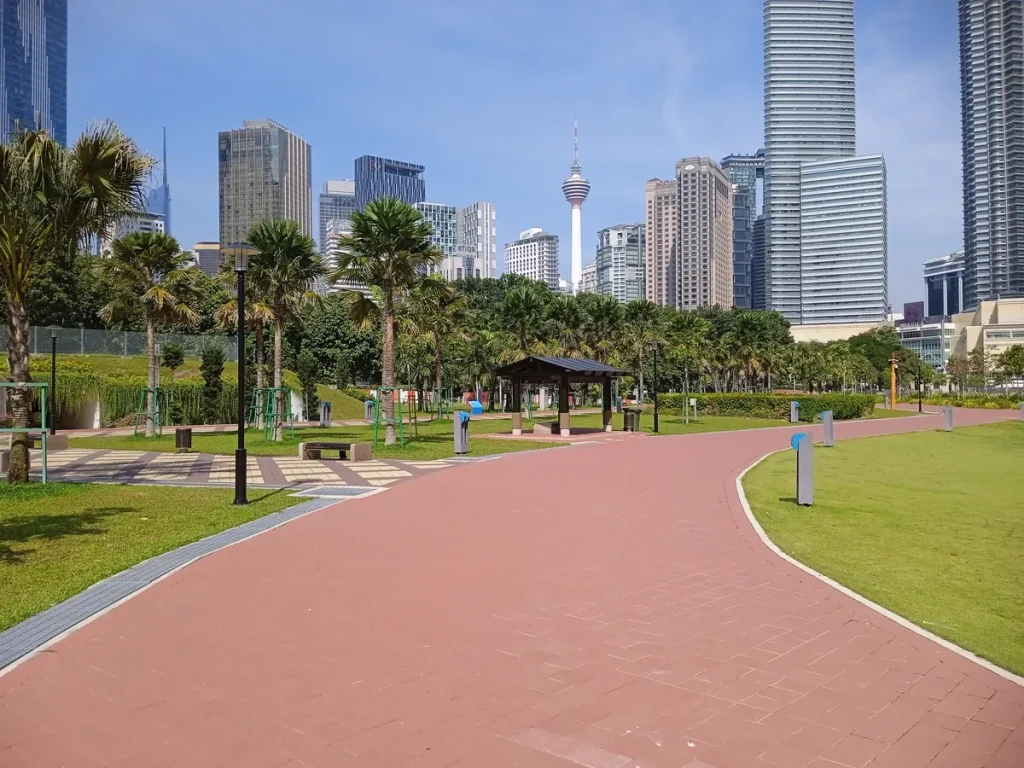
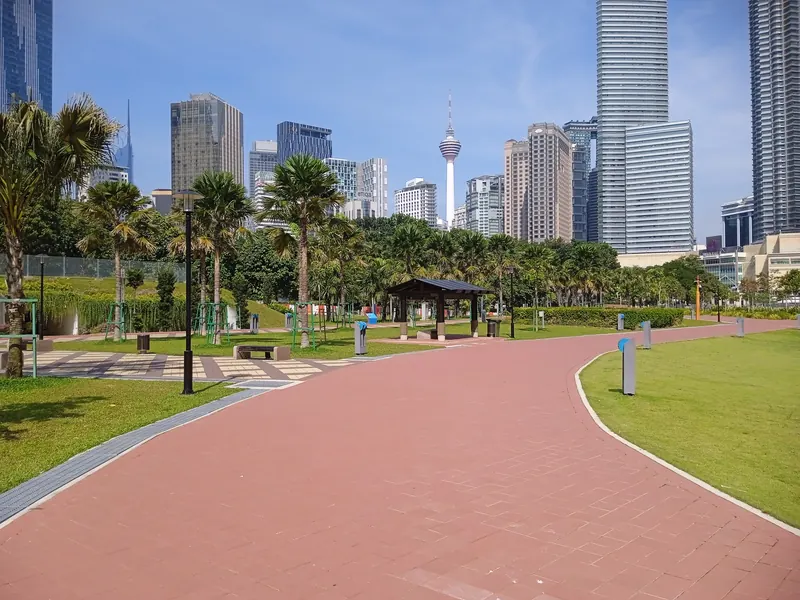
KLCC Park gives the area something a skyline photo can’t explain: somewhere to step outside without planning a drive. Suria describes a 50 acre park with a jogging track, children’s playground, wading pool, benches and shelters.
For a household without a garden, that can be useful breathing space. But a park view and convenient park access are two different things. Look at where you leave your building and where you can actually enter the park.
Families should separate “nice for a weekend” from “works on a school day”. A playground nearby doesn’t shorten a school run across town. Work out the school journey first, then treat the park as an extra benefit rather than the reason everything else must work.
There are two different KLCC stations
This is an easy detail to miss when comparing listings. KLCC LRT and Persiaran KLCC MRT are different stations on different lines. Don’t search for one and assume it describes the other.
| Station | Useful detail |
|---|---|
| KLCC LRT | Kelana Jaya Line. Follow the signed Suria KLCC exit for the mall. |
| Persiaran KLCC MRT | Putrajaya Line, on Jalan Binjai. TRX is two stops away, via Conlay. |
If you work at TRX, start by comparing the route to Persiaran KLCC MRT. If your regular destination is on the Kelana Jaya Line, check KLCC LRT instead. Count the walk at both ends, not just the train ride.
Our Central KL walking guide covers the public connections in more detail. A private condo’s entrance and access arrangements still need checking separately.
What happens between the lobby and your front door?
The neighbourhood handles only part of daily life. The rest happens inside the building. For example, does a grocery delivery reach your door, or do you collect it downstairs? Where do bulky parcels wait? How does a visiting parent get from the drop off to your unit?
These aren’t reasons to avoid condo living. They tell you whether the building suits your household. Someone who travels often may value a smaller home; someone who cooks daily may prefer usable kitchen space over a larger balcony.
Keep the neighbourhood decision separate from the purchase checks. Our condo viewing checklist covers the physical inspection, while the KLCC subsale guide covers checks before buying.
So, would you enjoy living here?
KLCC is a stronger fit when the places you already use are nearby or on a convenient rail route. It’s a weaker fit when you’re mainly buying the view while keeping a long daily drive, a distant school run and weekend routines elsewhere.
Still unsure? The KLCC rental guide is useful if you’d rather try the area before buying. If the district itself is undecided, compare it with Bukit Bintang and TRX first.