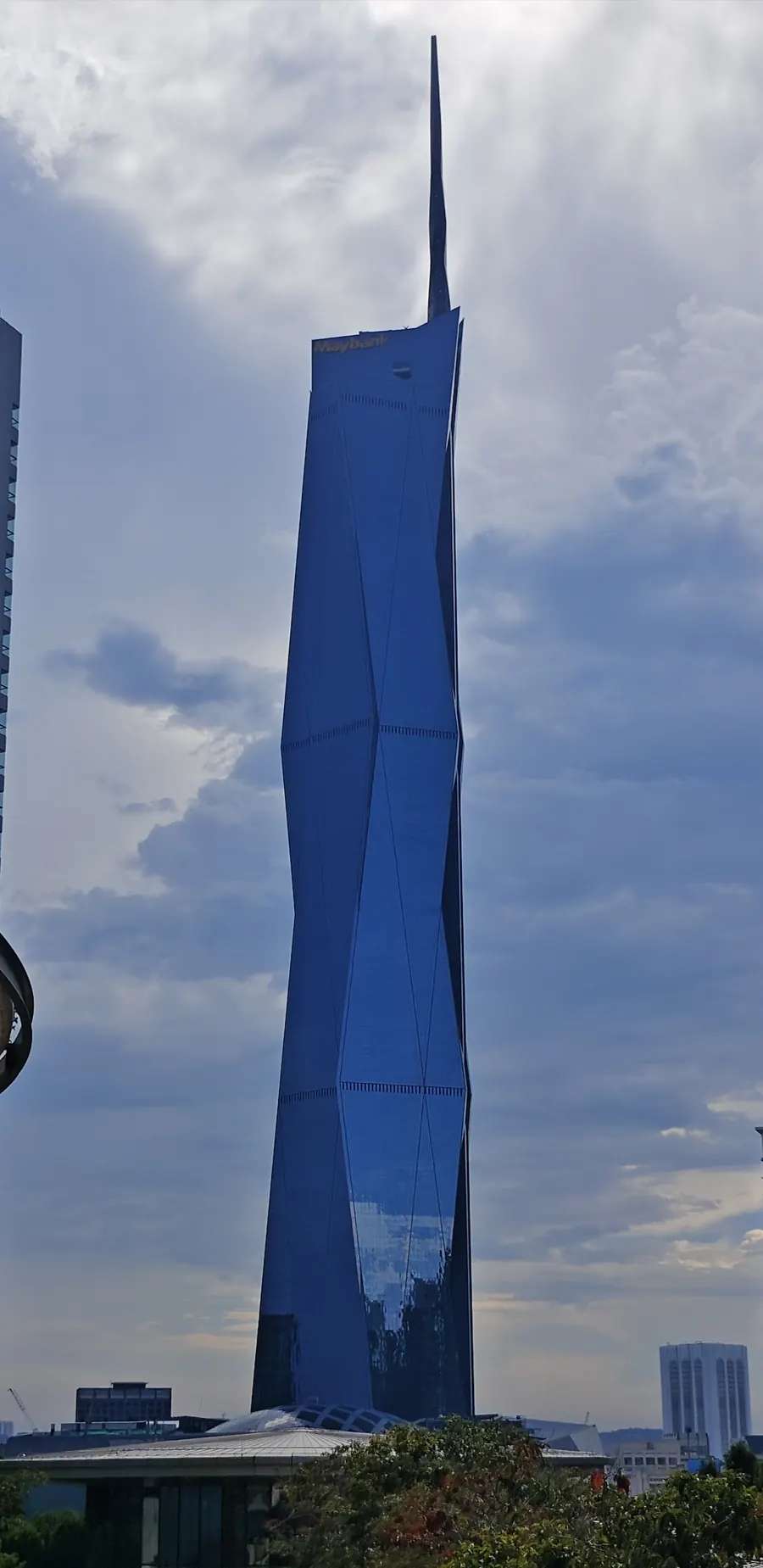
Global Wall (Malaysia) Sdn Bhd has failed in its High Court bid to overturn a RM77.02 million arbitration award linked to Merdeka 118’s facade works.
EdgeProp reported the outcome on 2 October, citing the New Straits Times. The award favoured main contractor Samsung C&T Corporation UEM Construction JV Sdn Bhd.
Why the result may seem surprising
The tribunal found Global Wall’s suspension lawful and the main contractor’s termination unlawful. Yet the balance of the competing claims still left Global Wall owing money. Delay damages were among the amounts awarded against it.
Think of two separate questions: was ending the contract justified, and what money does each side owe? An answer in your favour on the first question does not automatically settle the second.
What does “arbitration award” mean?
Here, “award” means a decision in a dispute, not a prize or an industry accolade. The parties take their disagreement to an arbitrator or panel rather than having the underlying dispute decided through an ordinary court trial.
The decision can cover money owed, interest and the costs of the proceedings. That helps explain why a headline figure should not be read as a single invoice or a fresh court fine.
Why couldn’t the court simply decide again?
According to the report, the court found insufficient grounds to overturn the award. Disagreement with the tribunal’s findings was not enough.
Malaysia’s Arbitration Act treats awards as binding, with specific grounds for setting them aside. Examples include a party being unable to present its case, decisions beyond the matters referred to arbitration, or serious fairness problems in the proceedings.
In plain English, this is not an unrestricted second chance to argue the whole dispute. The question is whether there is a recognised reason for the court to interfere.
What should property readers take from this?
Keep the legal story separate from the property story. A large sum in a construction dispute is not, by itself, evidence that nearby homes have lost value or that a building is unsafe. Neither conclusion follows simply from the size of an award.
If you are considering the neighbourhood, this headline should not replace information about the actual home: its asking price, monthly costs, surroundings and access to transport. Those are different questions, and this court outcome does not answer them.
There is also a difference between an award surviving a challenge and money actually being paid. We have not independently confirmed payment or any subsequent appeal, so we are not presenting either as settled.