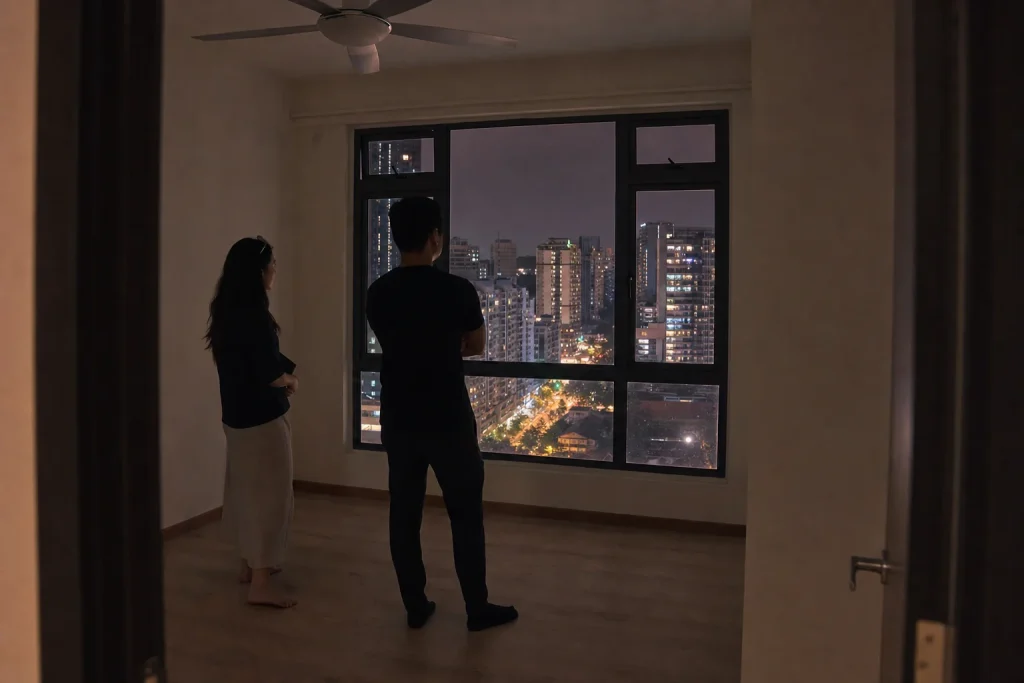
City-centre condominiums can offer excellent access to work, rail and entertainment, but sound and privacy often change after dark. A unit viewed at 2 p.m. may feel different when restaurants fill, ride-hailing traffic builds or building services run under evening load.
For wider neighbourhood context, see the Central Kuala Lumpur property guide.
The Department of Environment publishes official guidance for environmental noise assessment, while DBKL addresses nuisance sources such as entertainment, commercial activity, construction and mechanical services. Buyers do not need to become acoustic consultants, but they should inspect at the right times and separate the likely sources.
Visit when the sound actually occurs
For nightlife, view on a Friday or Saturday late evening. For traffic, use the weekday peak. For construction, return during permitted working activity. Mechanical plant may be most noticeable at night when background sound falls.
Spend at least ten quiet minutes in the main bedroom. Do not fill the inspection with conversation or music that masks the problem.
Listen with windows closed and open
Start with glazing fully closed and air conditioning running as it would at home. Then switch internal equipment off and listen again. Finally open any operable window or balcony door.
This helps distinguish external sound from fan coils, pumps, lifts or ventilation. Check window seals, frames and the door to the corridor for obvious gaps.
Identify the source and rhythm
Traffic creates a relatively continuous pattern with individual horns or motorcycles. Entertainment may produce bass, voices and closing-time activity. Construction can be intermittent and directional. Building plant often creates a steady hum, vibration or cycling sound.
Record the time and room where each source is heard. A single average impression is less useful than knowing whether bedroom disturbance occurs for ten minutes or several hours.
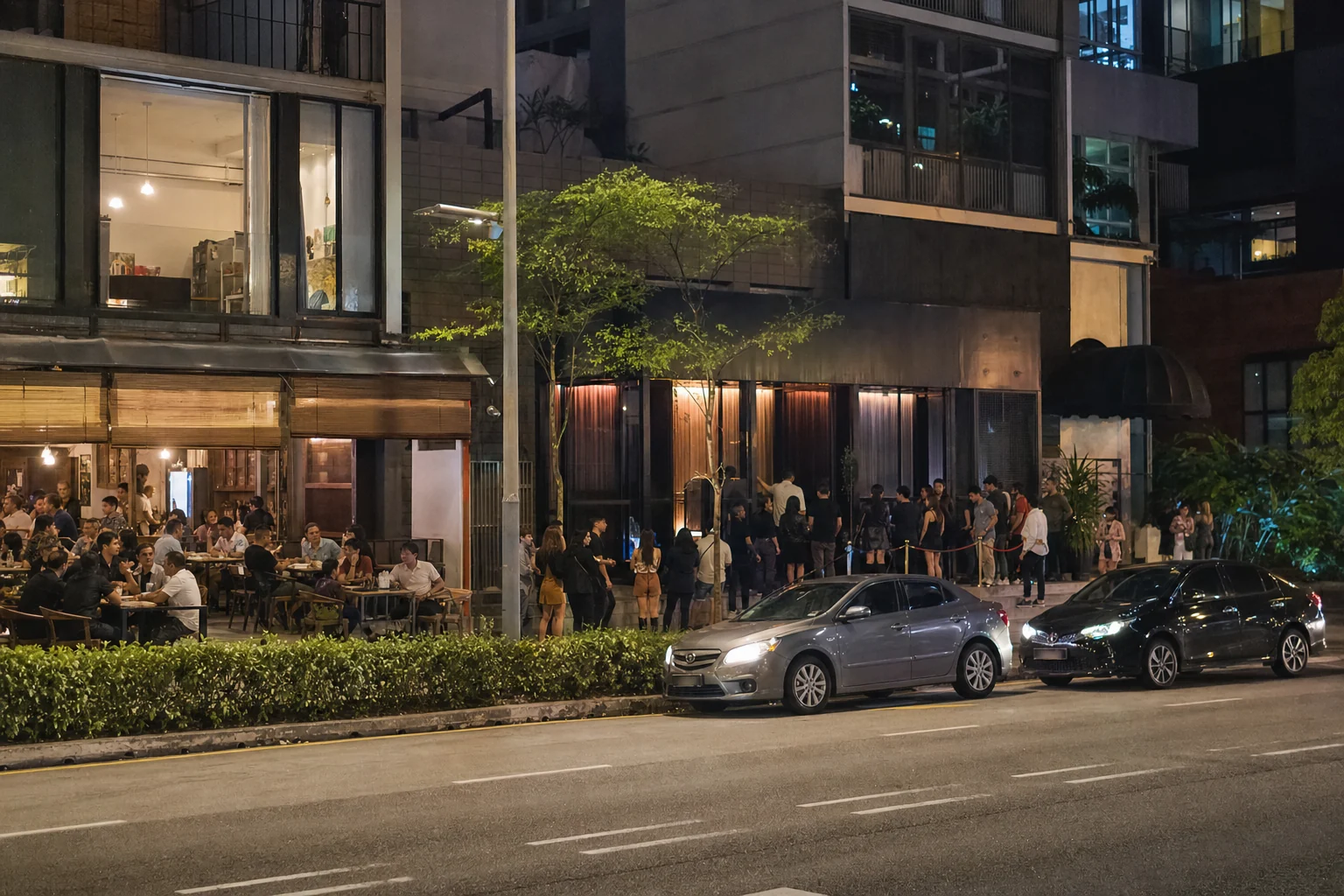
Check the street after midnight
Walk from the unit to the station or ride-hailing point. Observe queues, informal stopping, lighting, security and the dispersal of patrons. DBKL’s published FAQ notes that some city-centre entertainment operating hours can extend late, subject to licensing and location.
Ask nearby residents or the management office about recurring patterns, but verify them through your own visit. One person’s tolerance may be very different from yours.
Inspect internal building noise
Stand in the corridor and near the front door. Note proximity to lifts, refuse rooms, service doors and neighbouring entrances. Inside, listen for plumbing, door slams and conversations from adjoining units.
Visit the facilities and plant-adjacent floors where relevant. A high floor does not guarantee quiet if the unit sits near rooftop or podium equipment.
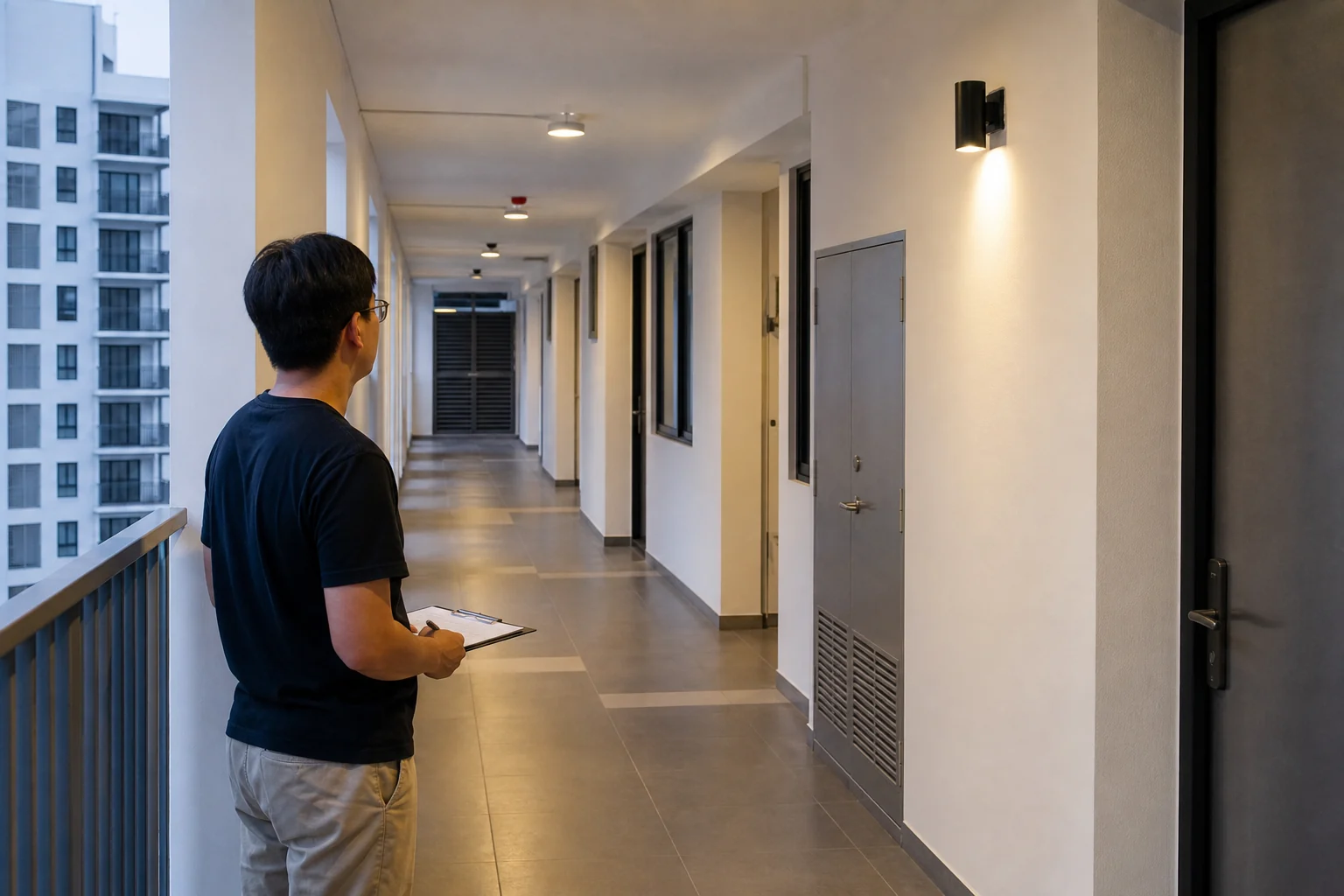
Assess privacy beyond sound
Look from each window and balcony toward neighbouring units, offices and public terraces. At night, interior lights can make a home more visible than it appeared during the day.
Check the line of sight from the corridor into living and bedroom areas when the front door opens. Review visitor registration, access-card controls and whether public users share residential circulation.
Use measurements carefully
A phone application can help compare two rooms during the same visit, but it is not a calibrated professional assessment. Do not use an informal reading to claim compliance or non-compliance with official limits.
For a serious concern, engage an appropriately qualified acoustic professional using suitable equipment and methods. The Department of Environment’s guidance explains that environmental noise evaluation depends on land use, source and measurement context.
Review records and future change
Ask management about written complaints, enforcement correspondence, repeated plant repairs and upcoming façade or glazing work. Review meeting minutes where available.
Also examine nearby vacant land, planned roads and new commercial uses. Today’s quiet view may change, while temporary construction sound may eventually end.
A night-viewing checklist
- Visit during the relevant traffic or entertainment period.
- Listen in every bedroom with glazing closed and open.
- Separate external, neighbour and mechanical sources.
- Walk the late-night station and pick-up route.
- Inspect corridor, lift, refuse-room and plant proximity.
- Check window, balcony and front-door privacy.
- Review complaints, minutes and nearby future works.
- Use a professional assessment for material uncertainty.
Final perspective
Noise and privacy are not district-wide labels. A well-oriented unit with effective glazing can feel calm on a lively street, while a seemingly quiet tower can transmit mechanical or neighbour noise.
View after dark, remain silent long enough to hear the pattern and test the entire arrival route. That extra visit can reveal more than a daytime viewing ever will.