
Buying in Kuala Lumpur
A branded residence is a home associated with a recognised brand, often a hotel group. That connection can shape its design, management and services. It doesn’t mean you’re buying a hotel room, or that every hotel service comes free.
The useful question is simple: what does the brand add to your life as an owner?
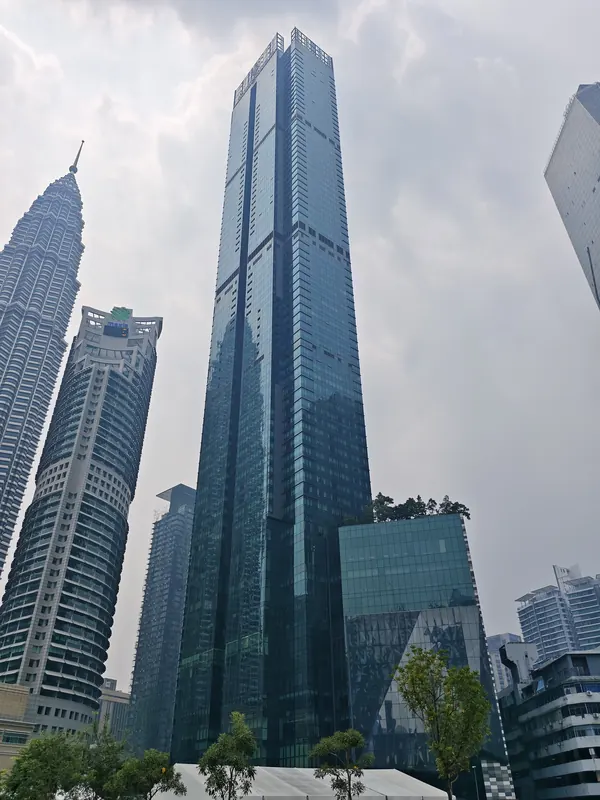
One address can contain different products
Take Four Seasons Place Kuala Lumpur. Its private residence page identifies Venus Assets as the developer and lists a residence concierge, housekeeping and butler services. The hotel brand and the developer are not the same company.
Meanwhile, the hotel’s apartment rental page describes 27 rental apartments alongside 242 private residences. Booking an apartment for a holiday and buying a private residence are different transactions, even at the same address.
“Serviced residence” is another label you’ll encounter, but it isn’t proof of a hotel brand connection. Our serviced residence and condominium comparison explains that separate question.
Available is not the same as included
Imagine coming home to a cleaned apartment with groceries unpacked. Lovely, but are you paying for that through the regular building charges, a monthly package or each booking? “Housekeeping available” doesn’t answer it.
Ask for the resident service menu and prices, then use these questions. They are checks for any project, not claims about what Four Seasons includes.
| Service | What to confirm |
|---|---|
| Housekeeping | Included visits or a charge per booking? |
| Concierge | Hours, tasks and separately billed services? |
| Pool and gym | Which facilities can residents and guests use? |
| Repairs | Who arranges the work, and who pays? |
For a completed building, request a recent owner’s bill with personal details removed. Separate regular maintenance and sinking fund contributions from optional services. The sinking fund is money set aside for major building work; it isn’t your personal housekeeping budget. Our maintenance fees guide explains the distinction.
For a new project, ask which charges are estimates and what they cover. Don’t treat a sales estimate as a promise that the bill will never rise.
Get three things before paying a booking fee
- A written list of owner benefits. It should identify the facilities, services and charges for your unit. Ask whether tenants receive the same access if you later let it out.
- An explanation of the brand arrangement. Ask your lawyer to check who provides the branding and management, how long the arrangement lasts, and what the documents say happens if it ends. You want to know which services could change, not just whether the sign stays up.
- The rental terms, if income is part of your plan. Confirm whether a programme actually exists and whether your unit qualifies. Read the management fee, furnishing requirements, owner use limits and exit terms. A recognisable name alone is not a rental guarantee.
These are extra checks, not a replacement for checking the seller, ownership records and unpaid charges. The KLCC subsale buying guide covers those basics.
Would you use what you’re paying for?
If you travel often, having someone coordinate access and household jobs could be genuinely useful. If you mainly want space, privacy and a good location, a well managed condo without a hotel name may meet your needs.
Compare homes of similar size and condition in the same area. Then put the extra purchase cost and recurring fees beside the services you would actually use. The brand deserves weight in your decision when those benefits are clear, not when they only sound impressive in a brochure.