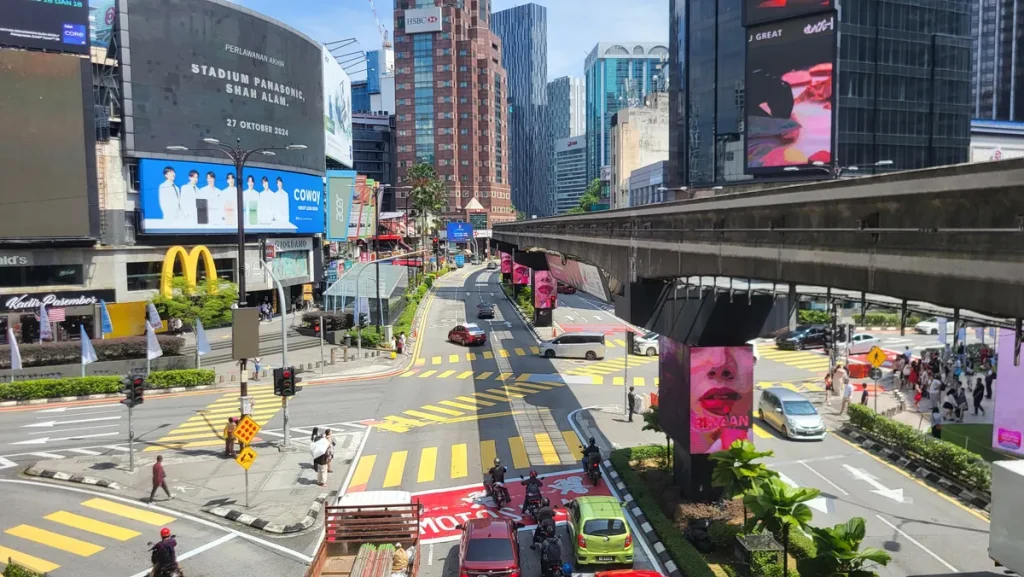
Bukit Bintang · Everyday life
Bukit Bintang suits people who want things to do close to home. You can buy groceries, meet someone for dinner and browse a bookshop without making each errand a separate drive. The question is whether you enjoy that busy setting on an ordinary Tuesday, too.
Pavilion can be your grocery stop, not just a shopping trip
The Food Merchant is on Level 1 of Pavilion KL, in the Gourmet Emporium. Its listed hours are 10am to 10pm. That gives you an option for a proper grocery shop after work, rather than relying entirely on convenience stores.
Try it with your normal basket: vegetables, eggs, milk, rice and whatever you cook regularly. Being able to buy everything nearby is useful, but only if the selection and total suit you. A nice supermarket is not automatically your cheapest weekly shop.
The trip home matters more with shopping bags. For a condo near Pavilion, a small top up may be easy. If your entrance is farther away, you might prefer one delivery for bulky items and collect fresh food on foot. Our Central KL walking guide covers the pedestrian connections in more detail.
Lot 10 and Fahrenheit88 give you reasons to head out
This is the lifestyle appeal: you don’t have to plan a whole afternoon around leaving home. Different places serve different needs.
Lot 10 for an easy food stop
Hutong is on the lower ground floor, with Chinese food stalls including Kim Lian Kee and Ho Weng Kee. Lot 10 also houses JONETZ by DON DON DONKI. Hutong’s menu includes pork dishes, so it won’t suit every household’s dietary needs.
Fahrenheit88 for a browse
BookXcess gives you a quieter activity than another meal or café stop. It’s worth thinking about these small pleasures: would you actually use them regularly, or are they places you only visit when friends come to town?
You’ll still want a few dependable meals that fit your budget. Pick somewhere for a quick dinner, somewhere that suits your dietary requirements and somewhere you’d happily return to when you’re tired. A long restaurant directory doesn’t answer that for you.
The MRT is useful well beyond shopping
Bukit Bintang is on the Kajang Line. These direct journeys help put its location into perspective:
| Destination | Stops |
|---|---|
| TRX | 1 towards Kajang |
| Pasar Seni | 2 towards Kwasa Damansara |
| Muzium Negara | 3 towards Kwasa Damansara |
Muzium Negara connects to KL Sentral, but allow time for the walk. These are stop counts, not promised journey times. Waiting for the train and getting from your lobby to the platform still belong in your commute.
The elevated Monorail is a separate service. Don’t choose an entrance just because it says Bukit Bintang; check which line you need. If rail would replace most of your driving, our car free living guide helps you work through the wider routine.
Enjoying a busy street is different from sleeping above it
A restaurant downstairs can be convenient at dinner and frustrating when you’re trying to sleep. The important distinction is between the neighbourhood you enjoy visiting and the bedroom you’ll use every night.
At a viewing, find out what the bedroom faces, where deliveries arrive and whether the residential entrance is separate from public shops. If you drive, try reaching the actual car park after work. A nearby mall entrance is not necessarily your entrance.
Keep the detailed checks in one place: our evening viewing guide covers what to listen for. There’s no reliable rule that every high floor or side street will be quiet.
Would you use the lifestyle enough?
Bukit Bintang makes the strongest case when food, shopping and the train are part of your week, not occasional treats. If you drive out of the area every morning and spend most evenings indoors, the location may give you less than you expect.
Before committing, try a normal errand here rather than another shopping day. Buy dinner, collect a few groceries and make the trip back to the building you’re considering. If you want to try living here first, continue with the Bukit Bintang rental guide.